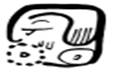


K&L.p30.#9 = 25EMC.pdfp43.#9 = SM.pdfp10.#11 = KuppratApp.2 BMM9.p14.r3.c4 KuppratApp.1 ~= ER-pc2022-06-05d
RAZ 1997-Plate #20 RAZ Mask text B8
Coe & Kerr
NUN? NU… NUN? / NUM? ?

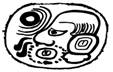
Martin-AMP.p397.pdfp421.r2..c3 = SM.pdfp10.#11 = ?.fig5 (ER-pc2022-06-05) Stuart =
“RAZ-EG” RAZ Tomb 19 Vessel 15 K
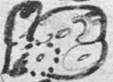


mayavase.com = ER-pc2022-06-05c mayavase.com mayavase.com
K1383 H3 K2914 N1 K2914 O4
nu.“RAZ-EG” AJ.“RAZ-EG” nu.“RAZ-EG”
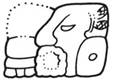


ER-pc2022-06-05a ER-pc2022-06-05b ?.fig5 (ER-pc2022-06-05)
RAZ Stela 2 E3 RAZ Stela 2 E7 RAZ Stela 2 C7
nu.“RAZ-EG” nu.“RAZ-EG” nu.“RAZ-EG”
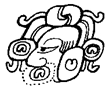
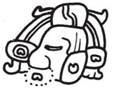


(lost reference) = ER-pc2022-06-05e = mayavase.com ER-pc2022-06-05f
K1446 Earspool Text
nu:“RAZ-EG” nu.“RAZ-EG”
· No glyphs given in K&H. There is a listing for NUUN in TOK.p9.r3.c2, but this is for a totally different glyph, considered by some other sources to be a variant of nu. Confusingly, this is precisely the knot-like glyph (or rather, the left half of it) appearing draped over the top and sides of the RAZ-EG head-glyph.
· Features:
o Human head, generally of a middle-aged to older man.
o With a “mo” in the mouth.
o (Optionally) an L-shaped ear with the shape of the ear of a rabbit but without the water marking inside.
· There is considerable uncertainty in the reading of this glyph – and the meaning is unknown – but it’s known to be the EG of RAZ. K&L. 25EMC, SM, KuppratApp venture the furthest and gives a proposed reading of NUN? (pronounced nu’n). K&L and 25EMC assign this NUN a tentative meaning of ‘intermediary, ritual speaker’? or refers to someone who “speaks brokenly”. But other sources do not seem to consider this to be the meaning of the logogram in question.
· Nun / Nuun / Nu’un is also known in the name of:
o The DPL ruler Nu’un Jol Chaak, but there the Nu’un spelled with syllabograms: nu{un}, nu-u{n}, etc. This could be considered the “knot” variant of the syllabogram.
o The TIK ruler Yax Nuun Ahiin, but there the Nu’un spelled with a glyph which could either be considered the “knot” variant of the syllabogram, or a NUUN in its own right. Indeed, it is this “knot” glyph which TOK.p9.r3.c2 treats as NUUN.
o All of the DPL and TIK instances of these rulers’ names resembles what MC.p159.r5.c1.6 and H&S.p33.r1.c5.4 give as nu (but which is no longer considered as such in more recent syllabogram tables).